How a Planer Sled Flattens Boards Without a Jointer
A planer sled for flattening boards holds a twisted or uneven board steady while a thickness planer creates a flat face. Choose a rigid base that fits your machine, shim the board until it cannot rock, then flip it to plane the opposite face parallel.
On this page (8 sections)
- How does a planer sled flatten boards?
- Which planer sled and support setup should you choose?
- How do you set up a planer sled for flattening boards?
- What is the right way to flatten a board with a planer sled?
- What common planer sled mistakes should you avoid?
- When should you use a sled instead of a jointer?
- How should you care for the sled and keep the setup reliable?
- Which planer sled setup is right for you?
A planer sled for flattening boards holds twisted or uneven lumber steady while a thickness planer creates one flat face. The method suits a small shop that has a planer but no jointer, as long as the board can be secured and fed safely.
A planer normally makes the face against its bed parallel to the face it cuts. If the board rocks or bows, it can keep that shape through the cut, so a sled supports it in a fixed position while the planer creates a reliable first reference face.
How does a planer sled flatten boards?
A planer sled supports a board so it cannot rock as the planer cuts its upper face. Shims fill the gaps beneath the board, and stops or a suitable hold-down keep it from shifting.
Once one face is flat, remove the board from the sled and put that face against the planer bed. The next passes bring the opposite face parallel, though this process helps with face flattening and does not square an edge.
A sled is a practical option if you need flat faces now and then, but don't want to add a jointer. For a closer look at the machine's role, read what a thickness planer does in a home shop and whether you need a jointer if you already have a planer.
Which planer sled and support setup should you choose?
Choose a rigid sled that fits your planer, supports the board, and gives you room to shim it securely. Your choice depends on the board size, how often you flatten lumber, and whether long stock needs extra support.
A shop-made sled is a good fit for occasional work if you can build a flat base that stays rigid under the board. A sled that flexes or sags will not give the planer a stable reference, so check its dimensions and the machine's manual for feed and workpiece requirements before using one.
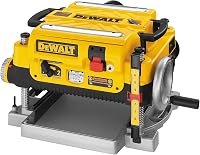
A thickness planer matters most when you expect to do this work often. The DeWalt DW735X has a 13 in cutting width, a three-knife cutterhead, two feed-speed options, and infeed and outfeed tables, making it suited to a shop that wants a capable planer for flattening and thicknessing boards.
Skip it if you only need an occasional sled and already have another planer. See how to choose a benchtop planer if you're comparing machines.
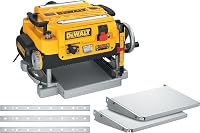
Extra support can help manage longer workpieces at the planer. The DeWalt DW7351 folding tables are made for the DW735 and add length to its surface, so choose them if you own that planer and want detachable support.
Skip them if you have another model or need an actual sled to hold an uneven board flat.
A roller stand can support material as it enters or exits a machine, but it does not flatten a board or secure it to a sled. The SHALL Folding Roller Stand has adjustable height from 27.8 to 43 in and a 250 lb capacity, suiting a shop that needs movable infeed or outfeed support for different machines.
Skip it if you need a rigid sled or a hold-down for the board.
How do you set up a planer sled for flattening boards?
Set up the sled on a flat, rigid base that fits the planer, then shim the board until it sits firmly without rocking. Secure it with stops or another suitable hold-down and keep every part clear of the cutter path.
Start with the board on the sled and check where it touches the base. Add shims at low spots until the board stays still when you press on its corners, securing loose shims as part of the setup so they cannot shift during feeding.
Check that the sled can pass through the planer without binding and that the workpiece meets the machine's safe feed requirements. Keep fasteners, stops, and shims away from the cutter path, and reset the setup before starting if anything is loose or likely to move.
A roller stand may help support long boards, but set its height to match the planer table and place it where support is needed. It should not push the board up or down during feeding, so follow the planer maker's guidance for safe feeding.
What is the right way to flatten a board with a planer sled?
Secure the board so it cannot rock or shift, then take light cuts until the exposed face is flat. Remove the board from the sled, flip it with the new flat face down, and plane the other side parallel.
- Check that the sled is flat, rigid, and sized to fit your planer.
- Set the board on the sled and locate gaps beneath it.
- Add and secure shims until the board sits firmly without rocking.
- Keep stops and shims clear of the cutter path, then confirm the board cannot shift.
- Feed the sled according to the planer manual and remove a small amount at a time.
- Check the face and repeat until it is flat.
- Remove the board, turn the flat face down, and plane the opposite side to the thickness you need.
The right cut depth depends on the planer and the wood, so follow the machine manual. Stop if the board shifts, chatters, or stalls, then check the setup before continuing.
What common planer sled mistakes should you avoid?
The most common errors are leaving the board able to rock, using a flexible base, and allowing a shim or stop to move into the cutter path. Each can spoil the setup or make feeding unsafe.
Don't assume that a board is stable because it looks level. Press on different corners and check for movement before feeding it; if the board rocks, add shims until the support is firm.
Don't try to remove a large twist in one pass. Use light cuts and repeat them while checking the face as you go.
Also avoid using a sled for boards that are too wide for the planer, too short to feed safely, or too unstable to secure.
A sled is for face flattening, not edge jointing. If you need a straight edge for glue-up, use a jointer, a suitable track saw setup, or another method designed for edge work.
When should you use a sled instead of a jointer?
Use a sled when you have a thickness planer, need to flatten board faces occasionally, and can safely secure the workpiece. Choose a jointer if you often flatten faces or square edges and want a more direct workflow.
The sled takes extra setup, but it can help a small shop avoid adding another machine. If your projects regularly need flat faces and straight edges, a jointer can save time because the sled does not handle edge work.
For safe operation, size the sled and board to the planer and follow the machine's feed instructions. The guide to using a jointer safely covers the habits that matter when you choose that route.
How should you care for the sled and keep the setup reliable?
Keep the sled base flat, the shims together, and the stops secure so the next setup starts with stable parts. Check the base for damage or flex before each use, especially after moving or storing it.
After a pass, clear chips from the sled and planer area before checking the board or resetting shims. Keep the work surface and support stands clear so stock can travel without catching.
Follow the planer manual for machine care and cutter maintenance.
Which planer sled setup is right for you?
Pick a shop-made rigid sled if you need an affordable way to flatten faces with a planer you already own. Choose the DeWalt DW735X if you also need a 13 in planer with two feed speeds and included infeed and outfeed tables; add the DW7351 only if that is your planer and you want detachable table support.
Choose the SHALL roller stand for movable support at the infeed or outfeed, not as a substitute for the sled itself. If your work often includes squaring edges as well as flattening faces, a jointer is the better fit.
A planer sled for flattening boards is most useful when stable face flattening is the specific job and you can secure each board before feeding it.
Frequently asked questions
Can a planer sled flatten a twisted board?
Yes. A rigid sled can support a twisted board so it stays stable as it passes through a thickness planer.
Shim the gaps beneath the board and secure it against movement.
The planer makes the top face flat relative to the sled.
Flip the board and plane the opposite face parallel.
Do you need a jointer if you have a planer sled?
No. A sled can help you flatten one face without a jointer, then the planer can make the other face parallel.
A jointer is still useful for flattening a face and squaring an edge directly, so the sled does not replace every jointer task.
What can you use as a planer sled?
Use a flat, rigid base that fits through your planer and supports the board without flexing. A purpose-built shop-made sled or a straight, stable panel can work; add shims and stops to hold the board still.
Check the planer manual for safe workpiece and feed requirements.
How do you stop a board from moving on a planer sled?
Place shims under low spots until the board sits firmly, then secure it with stops or another suitable hold-down method. Check for rocking before feeding it.
Keep fasteners, loose shims, and stops clear of the cutter path, and follow the planer maker's instructions.