How to Size a Dust Collector for a Small Shop
To size a dust collector, match its airflow and port setup to the tool you’ll use, then account for hose length, bends, and whether you’ll run more than one tool. Check each machine’s dust port and manual before choosing a collector.
On this page (7 sections)
- How do you size a dust collector for a small shop?
- Which tool should you size around first?
- How do hose length and bends affect sizing?
- Should you size for one tool or several?
- Does a dust collector replace room air filtration?
- What else should you check before choosing a collector?
- What is the practical way to choose a dust collector size?
To size a dust collector, match its airflow and port setup to your tool, then account for hose length, bends, and how many tools you’ll run. Check each machine’s dust port and manual before choosing a collector.
A collector that fits your shop has enough airflow for the tool, connects to its dust port, and suits how you move between machines. A high airflow number alone won’t tell you how well a system will work through your hose and duct layout.
How do you size a dust collector for a small shop?
Start with the tool’s airflow and port requirements, then match the collector and connections to them. If the tool manual gives a minimum airflow, use that as your baseline.
Make a short list of the machines you want to connect, their port sizes, and which ones you expect to use at the same time. A collector’s airflow rating describes its capacity under stated conditions; airflow at the tool can be lower once hoses, bends, filters, and other restrictions are in the path.
For a broader look at which machines take up space in a home shop, see benchtop woodworking tools for a home shop. Dust collection needs can shape where you place those machines.
What does CFM tell you about dust collection?
CFM means cubic feet per minute, a measure of air volume moved over time. It helps you compare collector ratings, but it does not guarantee a particular airflow at a tool.
Look for the rating conditions and collector instructions, then consider your real layout. A long, narrow hose with several sharp bends will restrict airflow more than a short, direct connection.
The WEN DC1300 has a stated airflow of up to 1,300 CFM and two 4-inch inlets. Its 50-gallon collection bag and mobile base with swivel casters suit a shop that needs a large bag and a unit that can be moved around.
If you are weighing collector styles and capacities, compare options in our guide to woodworking dust collectors for home shops.
Which tool should you size around first?
Size around the machine with the greatest collection need among the tools you plan to connect. Check its manual for airflow and port guidance, then see whether the same system can serve your other tools.
A planer or jointer can produce a steady stream of chips, while a drill press or sander may have a different port and collection pattern. Those differences mean a single shop-wide CFM target can be misleading.
Write down the port diameter on each machine. If a collector uses a 4-inch inlet but a tool has a smaller port, use a suitable adapter and keep the connection as direct as possible.
The WEN 12-Gallon Woodworking Dust Collector moves up to 660 CFM and has a 4-inch dust port. Its 12-gallon bag, compact design, and carrying handle can suit a small shop where storage and transport matter.
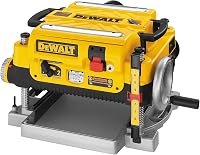
Our guide to what a thickness planer does in a home shop can help you identify how a planer fits into your tool plan.
How do hose length and bends affect sizing?
Use the shortest, smoothest hose route that lets you work safely around the tool. Long runs, sharp turns, narrow sections, and leaks can make it harder for a collector to move air at the pickup point.
Avoid adding hose length just to make the collector easy to park. If your layout needs a long run, check the collector’s instructions and look for a model suited to that system rather than assuming its stated airflow will carry through it.
Keep the hose diameter consistent where possible. An abrupt reduction can limit airflow, and a loose adapter can let dust escape instead of reaching the collector.
Also consider how the hose will move when the machine is in use. Keep it clear of walkways, moving parts, and the workpiece so collection equipment does not create a new hazard.
Should you size for one tool or several?
Size for the number of tools you will actually run at once. Many small shops can use one collector on one machine at a time, with gates or hose changes directing airflow to the active tool.
A collector with two inlets may accept connections to two tools, but that feature alone does not show that it can maintain the airflow both tools require at once. Check its instructions and each machine’s requirements before opening more than one branch.
If you plan to run multiple machines together, include the combined demand in your sizing decision. A system designed around one active tool may not serve two machines well.
When you use one tool at a time, close off unused branches so air goes to the active connection. This also makes it easier to keep the system simple and spot a loose or blocked hose.
Does a dust collector replace room air filtration?
No. A collector captures dust at a tool, while an air filtration system circulates and filters room air.
They do different jobs and can complement each other.
The DeWalt DWXAF101 Air Filtration System has two-stage filtration, timer settings, four working modes, and a remote control. It hangs from the ceiling, so it does not replace a hose connection at a saw, planer, or sander.
Treat filtration as an added part of dust control. Use source collection, follow the machine and collector instructions, and clean the shop with methods appropriate for fine dust.
What else should you check before choosing a collector?
Confirm the ports, available space, collection capacity, and how you’ll move or mount the unit. A system only fits if you can connect it, place it, and maintain it in your shop.
A larger bag can reduce how often you empty it, but it also needs room. A compact unit can be easier to store or move, yet its airflow and port setup still have to match the tool.
Check the collector’s filter type and maintenance instructions. Plan where the bag or filter can be emptied without spreading dust through the shop, and consider whether the unit’s footprint blocks access to tools.
For machines you have not bought yet, size around their stated requirements rather than choosing a collector based on a guess. Our small-shop basics page covers other choices that affect a compact workshop.
What is the practical way to choose a dust collector size?
Choose a collector that meets your most demanding planned tool’s airflow and port needs through your hose route. Then confirm whether the bag capacity and footprint fit your routine and space.
Pick the WEN DC1300 50-Gallon Dust Collector for its higher stated airflow, dual 4-inch inlets, and 50-gallon bag. Consider the WEN 12-Gallon Woodworking Dust Collector if its compact design and single 4-inch port fit your shop; add the DeWalt DWXAF101 Air Filtration System when you want room-air filtration.
If you need to decide among specific collectors, compare their connections and capacities in our woodworking dust collector guide. Keep tool manuals and collector instructions close when laying out the final hose system.
Frequently asked questions
How do I size a dust collector for a small shop?
Start with the tool you need to collect from, then check its manual for required airflow and port size. Match the collector to that requirement, and account for hose length, bends, filters, and whether you plan to run more than one machine.
A larger CFM number alone does not guarantee a good fit.
How much CFM do I need for a woodworking dust collector?
There is no single CFM target for every woodworking tool. Check the tool maker’s guidance, then compare it with the collector’s airflow rating and your duct layout.
Long hoses, narrow ducts, bends, and leaks can reduce airflow at the machine, so leave room for the actual setup.
Can one dust collector serve two machines?
It can if the collector and duct layout support the required airflow, and you manage the branches so air goes to the machine in use. Some collectors have multiple inlets, but that does not by itself confirm enough airflow for two tools at once.
Check the tool manuals and collector instructions.
Is an air filtration system the same as a dust collector?
No. A dust collector connects to a tool port and captures chips and dust near the source, while an air filtration system circulates and filters room air.
Many shops use source collection first and room filtration as an added layer, with suitable dust control and cleanup.